Equipment Maintenance
Roofing equipment and tools deteriorate with use and exposure to weather, and regular maintenance is not optional—it is the baseline for safe work. Equipment that has not been inspected, cleaned, or serviced fails without warning, and a ladder or harness failure while someone is working at height is not recoverable. This guide covers what to look for, how often to check it, and the standards that govern equipment care across the roofing trade.
Maintenance falls into two distinct categories: the daily or weekly checks a worker performs before using a tool, and the periodic inspections that catch wear before it becomes dangerous. Both matter. A small defect caught during a pre-work walk-around stops an accident; a defect missed and left to compound is how equipment fails under load.
Common Sticking Points
- How often should equipment be inspected? Portable ladders should be visually inspected before every use and formally tagged or documented quarterly; electric tools should be ground-checked monthly; fall protection harnesses and ropes need inspection before each use and replacement if any damage is found.
- What counts as damage? A bent rung, split rail, loose fasteners, corrosion, cracks in fiberglass, fraying in webbing, or discolouration all count. If you would not trust your weight to the equipment yourself, it is time to retire it.
- What does a proper pre-work check look like? Run your hands along the rails and rungs, check for tightness at joints, look for anything bent or broken, and verify that any locks or fasteners are secure. This takes less than two minutes per item.
- Can equipment be repaired or must it be replaced? Ladders cannot be repaired—a bent rung or split rail is permanent and the entire ladder must be pulled from service. Ropes, webbing, and harnesses can be replaced without replacing the whole assembly, but only with parts meeting the original safety standard.
- What is the difference between inspection and storage? Inspection is what you do to catch defects; storage is where you keep equipment so defects do not accelerate. Equipment stored wet, in direct sun, or in extreme temperature swings degrades faster.
The Detail
Regular inspection is not a compliance checkbox—it is the practice of someone who intends to come home at the end of the day. A roofer or tradesperson who uses the same ladder or fall protection equipment over months or years knows what normal wear looks like and catches the moment it crosses into dangerous. That knowledge comes from handling the equipment, not from reading about it.
Research from OSHA's portable ladder standard (1926.1053) shows that a ladder showing a broken rung, split rail, or corroded hardware must be tagged "Do Not Use" and pulled from service immediately. That is what our own inspection checklist is built around. The standard covers load capacity, structural requirements, inspection rules and safe-use rules, and it applies whether you are working on a residential job or a commercial site.
Storage matters as much as inspection. Ladders stored horizontally on flat racks do not bend under their own weight; ladders hung vertically or leaned against walls develop stress points that eventually fail. Keep tools in a dry space, away from direct sunlight, and at a stable temperature. Winter storage in an unheated shed accelerates corrosion and cracking.

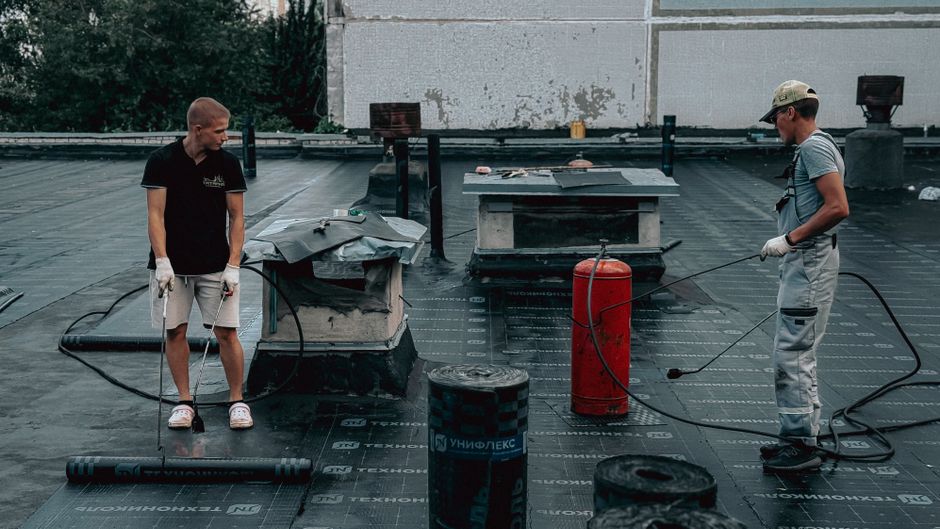
The Reference Table
| Item to Inspect | What to Look For | When to Check |
|---|---|---|
| Ladder Rungs & Rails | Cracks, bends, splits, rust, or loose fasteners. Rungs should not move when pulled. | Before every use + quarterly formal inspection |
| Ladder Feet & Stabilizers | Rubber pads intact and not worn smooth, no cracks in feet, stabilizers lock firmly. | Before every use + quarterly |
| Fall Protection Harness | Webbing for fraying or discolouration, stitching intact, buckles and D-rings not bent, straps adjust smoothly. | Before every use; replace annually or after any fall |
| Lanyard & Rope | No cuts, burns, or tears; knots hold firm; carabiners lock smoothly and close with no gap. | Before every use + inspect for core damage monthly |
| Power Tool Cords | No cuts in insulation, no burns, ends not corroded, all three prongs intact, ground check with a tester annually. | Before every use + ground check monthly |
| Hard Hats & Eye Protection | Shell not cracked, suspension straps intact and not hardened, lenses not clouded or scratched, no impact damage. | Monthly visual + replace after any impact |
| If any item shows damage, tag it "Do Not Use," remove it from service, and do not put it back into rotation until it has been repaired to the original standard or replaced. Equipment that cannot be repaired to the original specification (ladders, for example) must be retired. | ||
Worth knowing: Protective gear has its own standards, separate from the tools it is worn alongside. Hard hats follow ANSI Z89.1, eye protection follows ANSI Z87.1, and fall protection follows ANSI A10.48. More information at the International Safety Equipment Association, the standards-development body behind the PPE categories that accompany roofing work. When you buy replacement harnesses, lanyards, or protective gear, verify it meets the original standard—a cheaper alternative that does not meet ANSI certification is not an equivalent replacement, and it is where liability begins.
Watch: a repair from setup to seal
A short repair demonstration. Note the fall-protection setup before any work begins.