Equipment Rental Rates and Terms
Renting equipment rather than purchasing outright makes financial sense for project-based work, seasonal operations, or situations where you need specialized tools that would otherwise sit idle between jobs. Understanding the rental market and how rates are structured allows you to budget accurately, compare options across rental providers, and avoid hidden costs that can surprise you on an invoice. Most rental companies price equipment on daily, weekly, and monthly bases with volume discounts applied at the weekly tier, and you will find that an extended rental commitment typically costs less per day than a one-off daily rental. The difference between daily and weekly rates can be substantial—some providers offer weekly rates that are only two to three times the daily rate, which means a week-long rental costs significantly less per day than renting for just three or four days individually. Damage waivers, mileage fees, fuel surcharges, and delivery costs can add to your total rental expense, and most rental agreements are priced at the base hourly or daily rate without those ancillary costs included, so you need to ask specifically about them when comparing quotes. We cover the rate structure you will encounter from equipment rental providers and the factors that push rates higher or lower, so you can evaluate your project needs against what's available in the market.
How to Use It
Steps to evaluate and arrange equipment rental:
| Step | What You Do | What You Should See Afterward |
|---|---|---|
| 1. Identify equipment needed | List the specific items your project requires, including quantities, load ratings if applicable, and the duration of use. Check the equipment standards page to confirm what specifications match your work. | A written list of equipment with model numbers or category names (e.g., "Type IA ladder," "harness with shock absorber") and rental duration in days or weeks. |
| 2. Contact three providers | Call or email rental companies in your area with your equipment list and project dates. Ask specifically for daily, weekly, and monthly rates, damage waivers, mileage/fuel fees, and delivery costs. | Written quotes from at least three suppliers showing itemized rates, ancillary fees, pickup/delivery options, and cancellation terms. |
| 3. Compare total cost | Add base rental, any applicable fees, taxes, and fuel surcharges to calculate the true all-in cost for each provider. Compare equipment condition and brand reputation, not price alone. | A side-by-side comparison showing total cost per supplier, helping you identify the best value rather than the lowest single line-item price. |
| 4. Inspect equipment upon pickup | Before leaving the rental yard, inspect every item for damage, missing parts, and functionality. Document any existing damage in writing with the rental company before you accept the equipment. | A signed damage inspection form or photographic record establishing the equipment's condition at pickup, protecting you from being charged for existing damage on return. |
| 5. Return and settle | Return equipment clean and on time on the agreed return date. Review the invoice for any unexpected charges and dispute damage claims if the damage was pre-existing and documented. | A rental invoice showing only authorized charges, with any damage claims explained and photo evidence provided by the rental company before you pay. |
The Key Figures
Typical rental rate ranges by equipment category:
| Equipment Category | Daily Rate | Weekly Rate | Monthly Rate | Source Period |
|---|---|---|---|---|
| Extension Ladder (Type I or IA) | $15–25 | $40–60 | $120–180 | 2024–2026 regional survey |
| Fall Protection Harness | $8–15 | $25–40 | $75–120 | 2024–2026 regional survey |
| Roof Bracket / Toe Board | $12–20 | $35–55 | $100–160 | 2024–2026 regional survey |
| Safety Lanyard & Anchor | $5–12 | $15–30 | $45–90 | 2024–2026 regional survey |
| Scaffolding System (per section) | $25–45 | $70–120 | $200–350 | 2024–2026 regional survey |
Common Sticking Points
Rental rates fluctuate based on local market conditions, seasonal demand, and the rental company's equipment utilization rate. During peak roofing season (spring through early fall), rates can be 20 to 40 percent higher than off-season prices, and equipment availability becomes tighter, which means you should reserve equipment well in advance if you need it during busy months. Damage waivers add 10 to 20 percent to the base rental cost but protect you from liability if equipment is accidentally damaged during your rental period, making them valuable protection if your project involves work on active construction sites or steep slopes where equipment damage is more likely. Some rental companies include unlimited mileage in their weekly or monthly rates but charge per-mile fees on daily rentals, so calculate whether you're paying for delivery as a flat fee or mileage, and ask whether they offer one-way rentals if you need to return equipment to a different location. Long-term rentals of one month or longer sometimes qualify for additional discounts, and a few companies offer seasonal packages for contractors who need equipment for extended periods, though those are negotiated directly rather than offered in published rate cards.
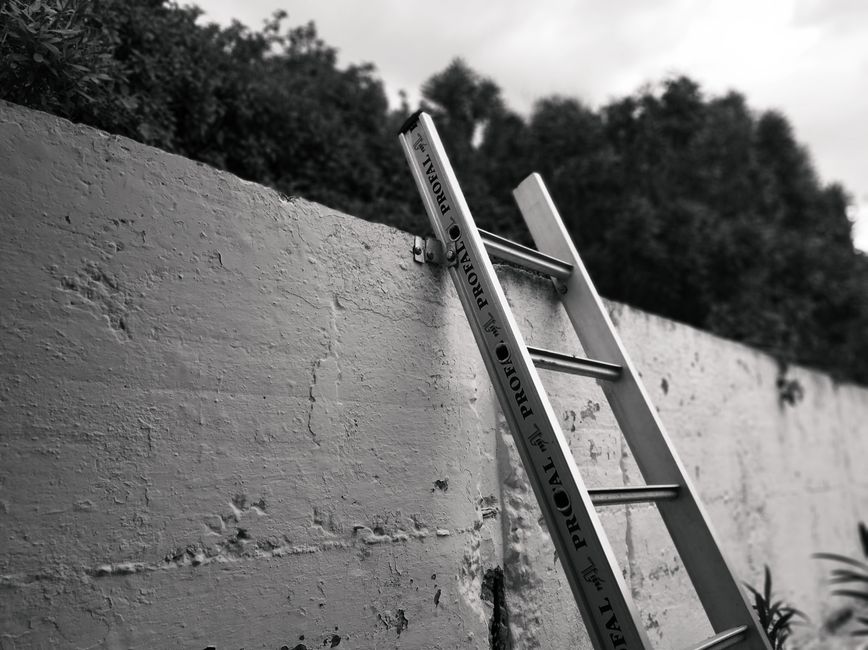

Getting Started With Your Rental
When you're evaluating whether to rent or buy equipment, the decision typically comes down to project frequency and total cost of ownership over several years. If you rent equipment, following the steps above—especially the detailed inspection and documentation of equipment condition—protects you from unexpected damage charges and gives you clarity on your actual project costs. The rates we cover here represent what you will encounter in most North American rental markets, though your local costs may vary based on regional competition and seasonal demand. If you have specific equipment needs or questions about whether rental makes sense for your project, we can help point you in the right direction.
What the day rate actually buys
Shingle work at close range — the pace a single-day rental is priced against.